
About Foundation
The Abertis Foundation was founded in 1999 as a non-profit entity, with the mission of contributing to the sustainable development of the regions and countries where the Abertis Group operates. The Foundation has always prioritised activities associated with road safety, the environment, social and cultural action. This is its role in the company’s sustainability strategy, the basis for the value placed on the intangible assets of the Abertis Group.
Road Safety
The Foundation carries out initiatives intended to improve road safety and reduce the number and severity of the accidents that occur. Its activities are intended to raise awareness about and enhance road safety education, focusing on three primary groups of people: minors, young people and elderly drivers.
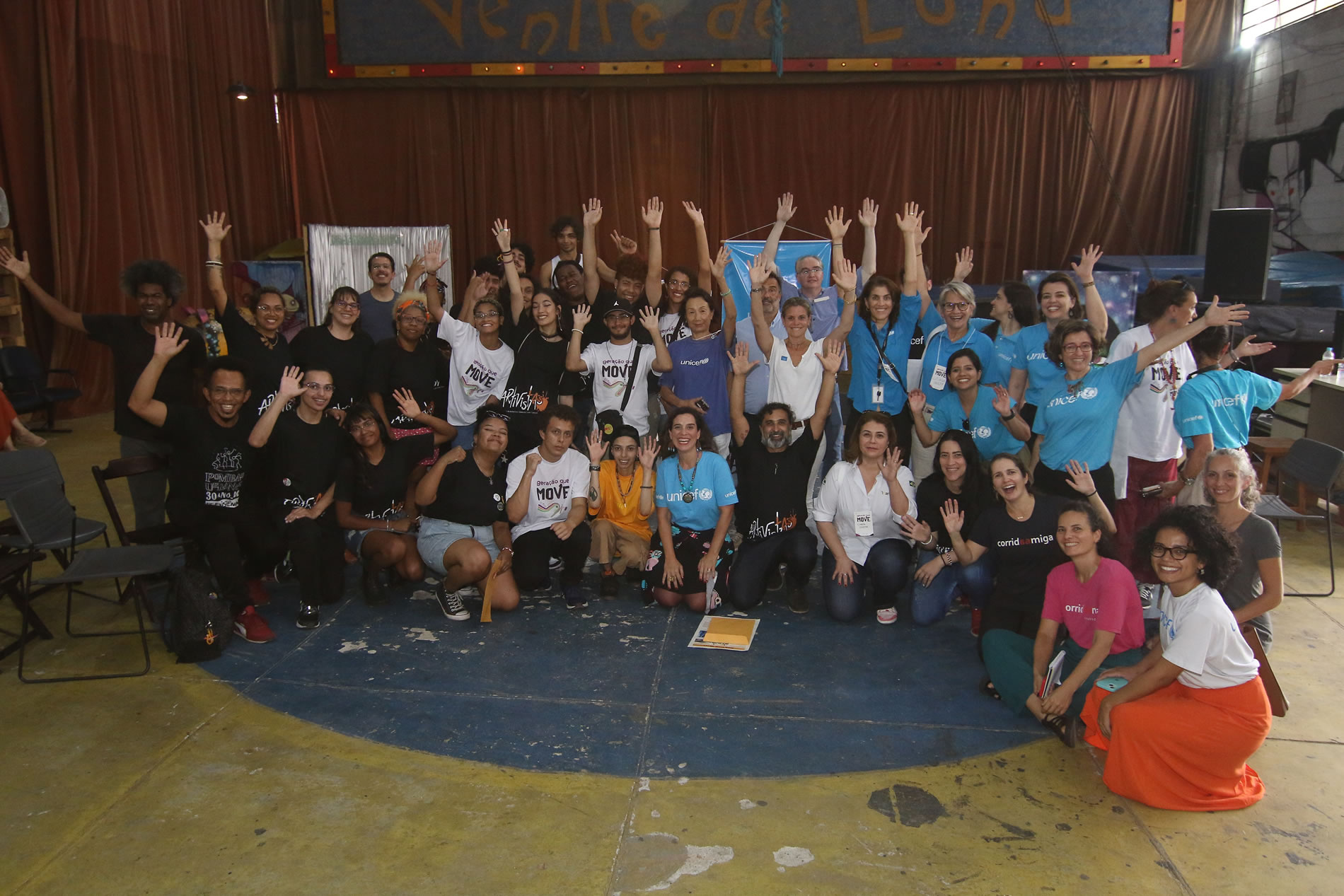
It also promotes social activities intended for the most disadvantaged collectives in territories where the Group operates. Notable among these is the agreement with UNICEF, which has been focused since 2017 on boosting sustainable, mobility and road safety in Brazil, India and Mexico.
Abertis is a strategic partner of UNICEF and is committed to the struggle against one of the leading causes of death among schoolchildren: traffic accidents. This alliance is centred on remediating the lack of safe infrastructures in school zones, improving the conduct of both drivers and passengers, promoting safe and sustainable mobility for young children in cities and improving the available resources and road safety legislation in high-risk countries, while increasing their dissemination and compliance.
The commitment, knowledge and contributions of the Abertis Foundation regarding road safety has generated sufficient evidence to promote a Road Safety program as a work priority in UNICEF in its Strategic Plan 2022-2025.

Cultural Action
The Abertis Foundation also reflects the Group’s sensitivity toward historical and artistic heritages and the cultural values of the countries where it is present.
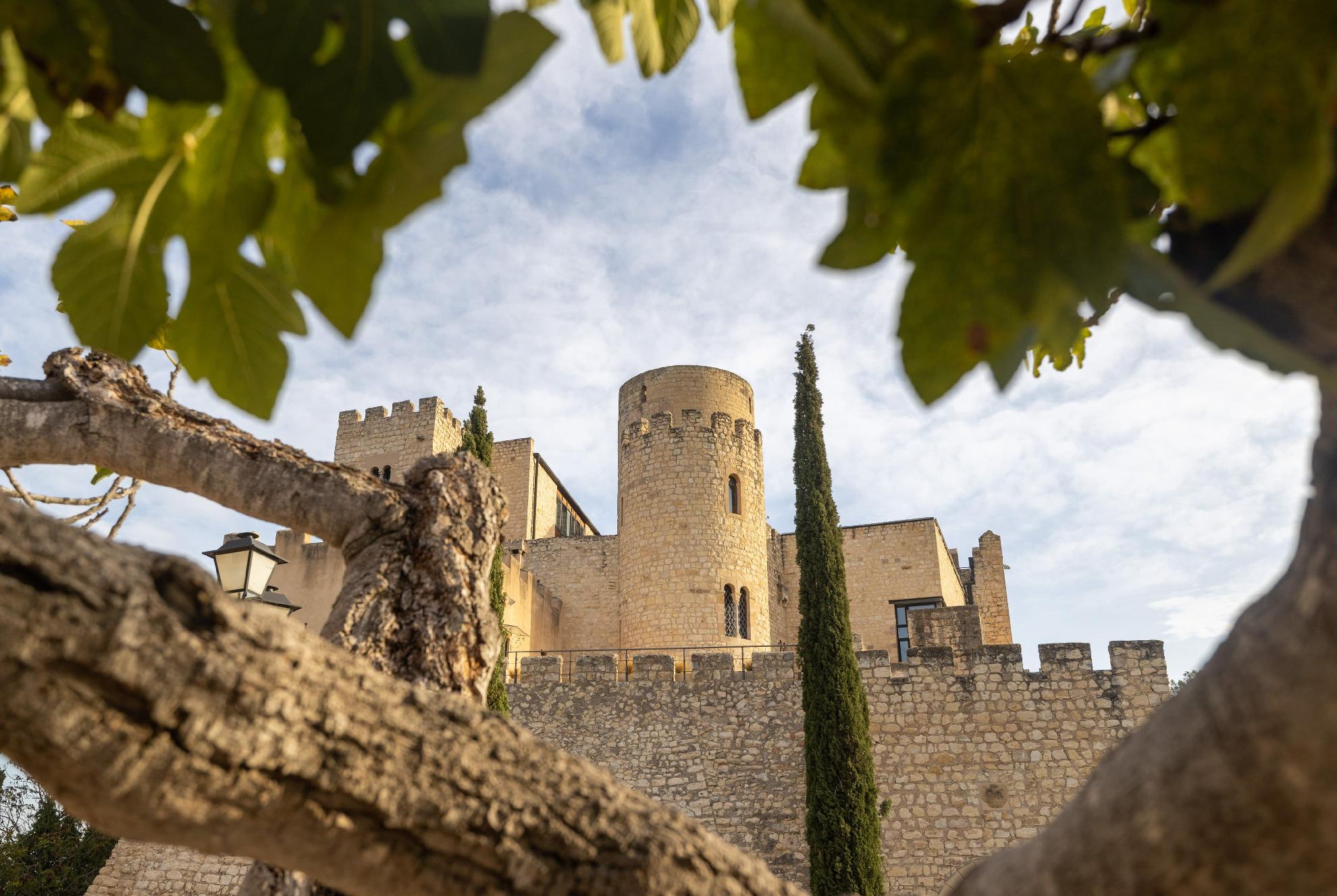
This is why it makes historical heritage sites of exceptional interest, such as the Castellet Castle available to the public. The Castle is not only the headquarters of the Abertis Foundation, but also the office of the UNESCO International Centre for the Mediterranean Biosphere Reserves (UNESCOMED).
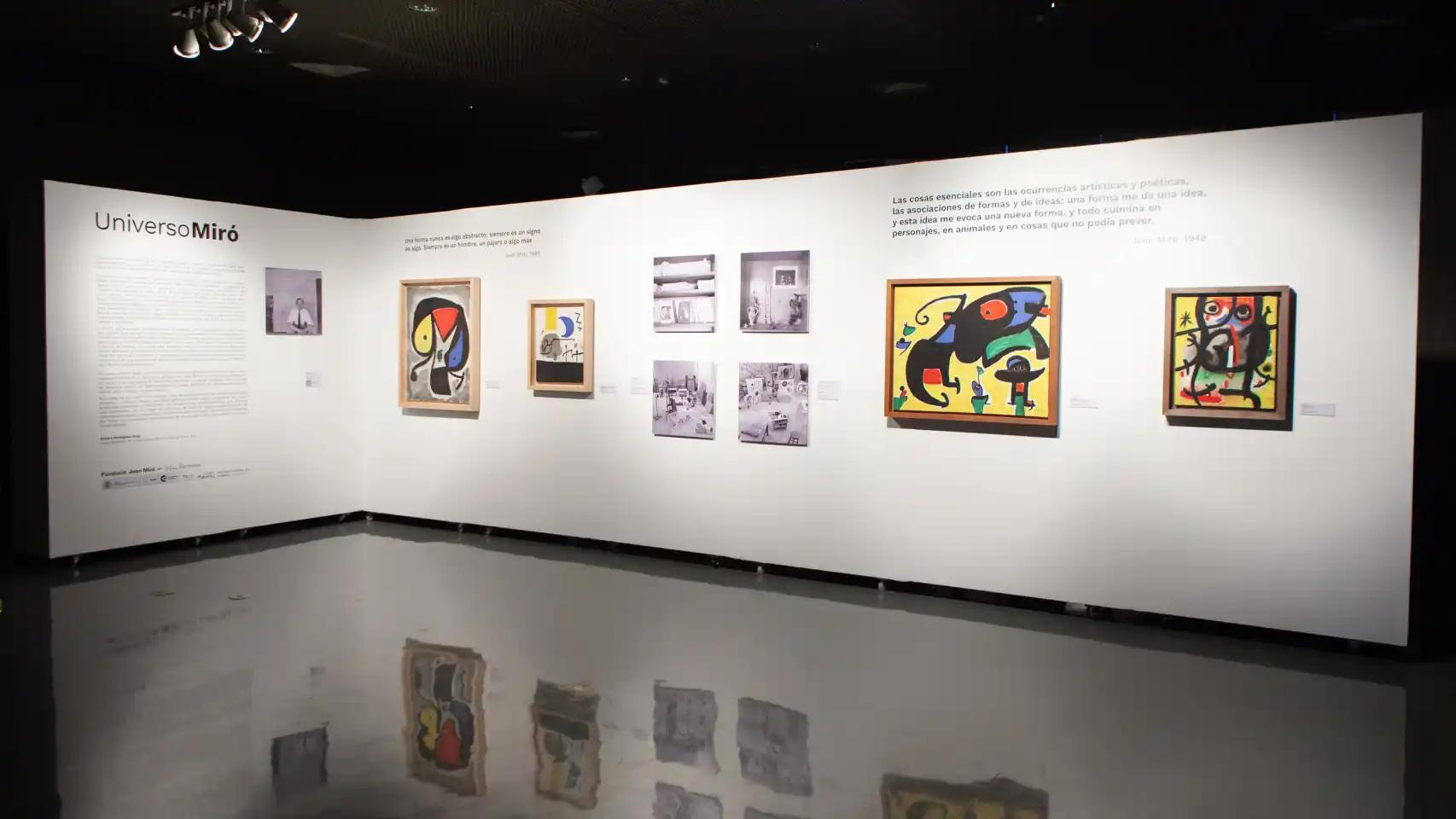
The Abertis Foundation also collaborates with renowned cultural institutions to promote art and culture, hand-in-hand with the regional and national governments in the countries where it carries out its activities. In recent years it has sponsored many exhibits of well-known artists, such as Dalí, Velázquez, Miró, Picasso and Gaudí, among others, to ensure that their work is known beyond our frontiers.
Social Action
The Abertis Foundation channels Abertis' commitment society through collaboration agreements with leading national and international third sector organisations to help create a better society, paying special attention to organisations involved in promoting social initiatives in the fields of health and education.
Moreover, the ongoing relationship with public administrations in the countries where Abertis operates allows for an immediate response to collaborate in the event of specific social or health needs or emergencies.
Environmental Action
The Abertis Foundation's headquarters, Castellet's castle, is the UNESCO International Centre for the Mediterranean Biosphere Reserves. It work focuses on creating the Mediterranean Biosphere Reserves Network, promoting an developing activities aimed at strengthening the MaB programme and the World Network of Biosphere Reserves. It represents a unique opportunity to promote the study and conservation of the Mediterranean area, establishing bridges of collaboration in the management of biodiversity and natural resources between the two shores of the Mediterranean.
Castellet Castle has ISO 14001 environmental certification. In addition, the Global Sustainable Tourism Council, the only global accreditation body for sustainable tourism linked to the United Nations, has recently awarded the Abertis Foundation headquarters Biosphere Responsible Tourism certification. In the environmental field, the Abertis Foundation also works to reduce the carbon footprint generated by our economic activity and, in accordance with the Abertis Group's objectives, we optimise waste management and promote the conservation of biodiversity in the natural areas where we operate.
UNESCOMED
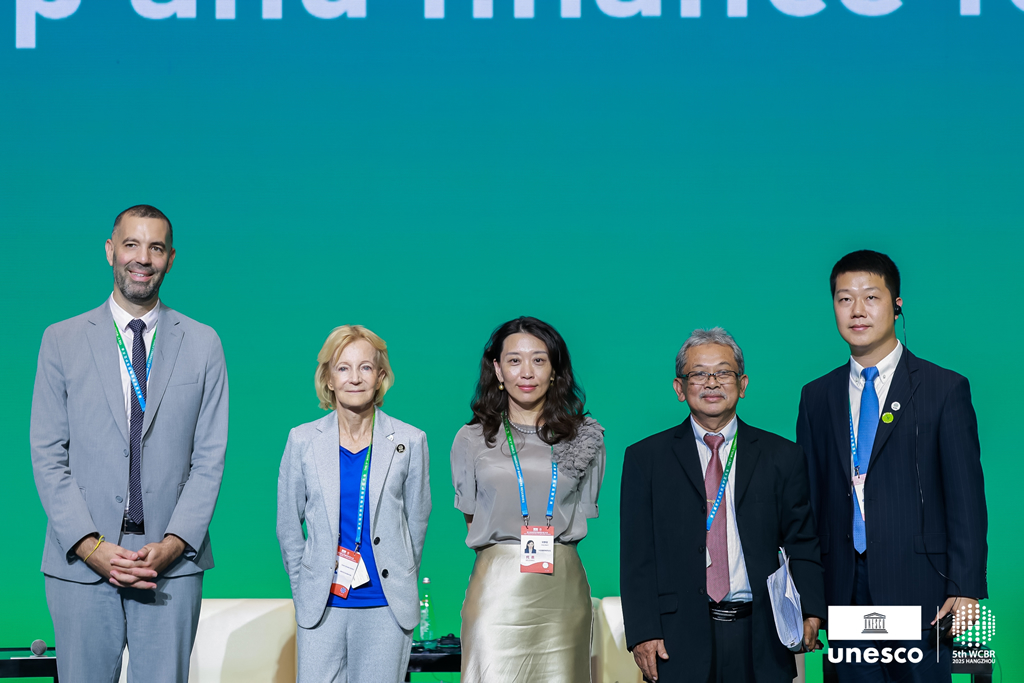
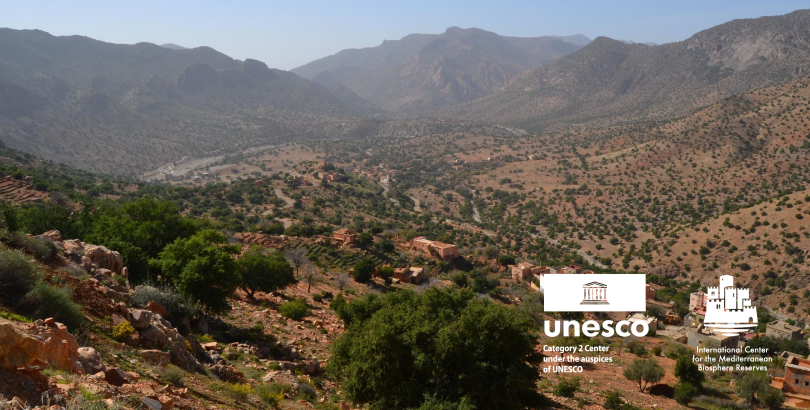
The Abertis Foundation aims to promote and disseminate studies on the repercussion of large infrastructures on the territory, the economy, demographics and the environment. For this reason, since 2014 the Abertis Foundation headquarters has housed a Category 2 Centre (CCS) under the auspices of the United Nations Educational, Scientific and Cultural Organisation (UNESCO).
Thanks to an international agreement between Spain and UNESCO, the Abertis Foundation, through a partnership that was unique in the world at that time, combining public commitment and with private financial support, joined the agreement to provide the resources needed by the centre, offering the facilities of its headquarters in Castellet Castle, in addition to the equipment, staff, maintenance and management necessary to operate a centre of this kind.
The agreement signed with UNESCO has enabled an in-depth study of the Mediterranean region and made this centre a strategic point in today’s worldwide network of Biosphere Reserves.
This agreement is undoubtedly an example of the great results that can be achieved through private-public partenerships. This centre has worked to promote North-South and East-West dialogue and to preserve the natural and cultural heritage of the Mediterranean region.
Abertis Chairs
The Abertis Chairs International Network is present in seven countries and responsible for both complementing the Abertis Group activities and finding innovative solutions to meet the mobility challenges of the future, thereby forging a strong bond between universities and businesses.
The first Abertis Chair was founded in 2003 and they are now present in most of the countries where the company operates, forming what is now known as the Abertis Chairs International Network, which decides the winners of the Abertis Chairs International Network Awards.
Thanks to all these research and development activities, the Abertis Chairs International Network and universities work to enhance the growth of intellectual capital. It also contributes to making the advances made in its field available to society in general and the community of experts in particular, with the clear purpose of improving people's mobility and quality of life.
A university and its specialised teams are at the core of this network, particularly from a technological viewpoint, and constitute an observatory whose goal it is to procure evidently sustainable mobility solutions for the future. The platform also includes other institutions, as well as public and private social and economic think tanks, that contribute to this multidisciplinary approach.